

Zimbabwe Destination Guide
This essential guide will help you prepare for an unforgettable journey through Zimbabwe's stunning landscapes and wildlife

Essential Travel Information for Zimbabwe
Everything you need to know before your Zimbabwe adventure
Visa & Entry Requirements
- Visa Requirements: Most visitors require a visa, available on arrival or in advance.
- KAZA UniVisa: Ideal for multi-country travel, this visa allows multiple entries between Zimbabwe and Zambia and day trips to Botswana (Kasane) for 30 days, and is available at select entry points like Victoria Falls and Harare Airport.
- Passport Validity: Must be valid for at least six months beyond your departure date.
- Health & Vaccinations: No vaccines are required if arriving from Europe or North America, but a Yellow Fever certificate is required if arriving from or transiting through a risk country (and may be required when traveling north of Victoria Falls). Refer to the CDC for recommended vaccines for extended rural stays, and consult your doctor about malaria prevention and anti-malarial medication.
- Onward Travel: Proof of onward travel or evidence of sufficient funds may be required upon entry.
Currency & Payments
- US Dollar is the primary currency, with Zimbabwean dollars also used.
- Cash: Bring sufficient US dollars, as ATMs can be unreliable. Notes should be clean, untorn, and printed after 2008, as older or damaged bills may not be accepted.
- Small Denominations: Bring smaller USD bills for easier transactions.
- Credit Cards: Major credit cards are accepted at many hotels and larger restaurants, but acceptance is limited and unreliable outside major areas, so it’s strongly recommended to carry sufficient USD cash, as ATMs may be limited or out of service.
- Tipping: In restaurants, a tip of around 10% is customary for good service, with more for exceptional service. If service is poor, tipping is not expected. Tipping for taxi drivers and similar services is entirely at your discretion, as it is not always expected. However, it is customary to tip porters and car guards.
Mobile & Internet
- SIM Cards: Econet and NetOne offer affordable data. Purchase at airports or shops.
- WiFi: Available at most hotels and lodges in cities and tourist areas like Victoria Falls, but it can be slow or unreliable, with limited or no access in rural or safari locations.
- Coverage: Mobile coverage is available in most towns and cities, with limited signal in remote or safari areas; roaming works, but a local SIM offers better value.
- Power Adapters: Zimbabwe uses Type G plugs (same as the UK), and you may also encounter Type D (older British 3-pin) outlets. Electricity supply can be inconsistent in remote areas.
- Electricity Supply: In Zimbabwe, power outages—known as “load shedding”—can occasionally occur due to high demand on the electricity grid. These outages are usually temporary, lasting 2–5 hours, but they may affect the timing of some activities. While we do our best to minimize disruption, the electricity supply is beyond our control.
Climate & Weather
- Dry Season: May – October. Best for wildlife viewing.
- Wet Season: November – April. Lush landscapes, but some areas may be inaccessible.
- Victoria Falls: Peak water flow March – May, minimal flow October – December.
- Temperatures: Range from 7-21°C (45-70°F) in winter to 20-30°C (68-86°F) in summer.
Time Zone
- Zimbabwe follows Central Africa Time (CAT) – UTC +2.
- Zimbabwe is 7 hours ahead of U.S. Eastern Time (EST) during Standard Time.
Emergency Contacts
- Police: 📞 995
- Ambulance: 📞 994
- Fire: 📞 993
- U.S. Embassy (Harare): 📞 +263-4-250-593
Important Safari Considerations
Essential information to prepare you for the realities of safari travel in Zimbabwe
Rustic Accommodations: Safari lodges and camps in Zimbabwe offer an authentic experience that puts you close to nature. While comfortable, these accommodations are often rustic and designed to blend with the environment. Expect occasional wildlife visitors, limited Wi-Fi, and simple amenities.
Travel Distances: Travel distances within Zimbabwe can be extensive, and itineraries may occasionally adjust due to road conditions, weather, or local circumstances. You should expect some flexibility and potential delays, which are a normal part of exploring the region.
Bumpy Roads: African conditions are extremely tough on vehicles. While we fastidiously maintain our vehicles at our workshops, you should not expect Africa to be your traditional touring experience. While it's certainly our aim to avoid them, it's important that you set off on your trip knowing that the occasional breakdown can happen and is best treated as part of the adventure. Due to wet weather, there may be times when we have to take an alternative route, which will mean longer travel times.
Malaria does exist in this area of Southern Africa; however, it does not have to be a problem for you as long as you are vigilant about using your mosquito repellent and you take your malaria tablets. Malaria is transmitted by mosquitoes and is more prevalent where there are high concentrations of people and water. Hotels will have mosquito nets equipped to protect from bites. Before going to sleep, please ensure that the nets are covering the bed completely, with no gaps for mosquitoes to get through.
The main points to keep in mind about malaria:
- Prevent getting bitten by wearing clothes that cover your bare skin. Long shirts, socks, shoes, and long pants after dark – most mosquito bites occur below the knee.
- Insect repellent is the single most important line of defense. Make sure you bring enough of an effective (preferably stick or lotion) repellent and that you use it liberally and frequently! You need to look for the active ingredient (DEET) on the bottle.
- Malaria prophylactics do not prevent Malaria, but do treat it if you come down with the disease. They also prevent you from getting seriously ill. It is not true that Malaria cannot be cured.
- Keep your mosquito net closed and be vigilant at su
- Use an effective prophylactic and speak to your doctor about options for antimalarial tablets.
Until at least 2025, USD is the official currency of Zimbabwe. Local payment transfer apps similar to Zelle or Venmo exist, though we highly suggest carrying small bills in US currency. Botswana uses the pula. In both countries, cash is king. Expect many places not to accept credit cards, or to have high fees if they do.
Our trucks are purpose-built, self-contained safari vehicles. Each seat will have access to a USB outlet to charge your devices.
Each truck is equipped with lockers in the back to store your belongings, though you will need to bring your own lock to secure it if you wish.
When on a Safari Drive: During your safari drive, please remain as quiet as possible and avoid sudden movements—this greatly increases your chances of spotting wildlife! Bringing binoculars is highly recommended. It’s important to remember that a safari is not a zoo. While our experienced guides have extensive knowledge of animal behavior and the best locations for sightings, wildlife sightings can never be guaranteed. The animals you see—and how many—will vary from day to day.
Trucks are equipped with a water purification system, and we highly suggest bringing a reusable bottle. Local water is unsafe to drink or brush your teeth with, and you should be using purified or bottled water.
Packing Checklist for Zimbabwe
Use this checklist to ensure you pack everything you need for your Zimbabwe safari adventure
Travel Documents & Essentials
- Passport (valid for at least 6 months)
- Visa documents or visa fee in USD
- Flight itinerary & proof of onward travel
- Travel insurance details
- Credit/debit cards
- US Dollars in cash (small denominations)
- Yellow fever certificate (if applicable)
- Travel wallet or money belt
- Copies of important documents (separate from originals)
- Emergency contact information
Clothing & Safari Gear
- Neutral-colored clothing (khaki, tan, olive)
- Long-sleeved shirts (for sun/mosquito protection)
- Lightweight pants/shorts
- Safari hat/cap with neck protection
- Comfortable walking shoes/hiking boots
- Smart casual change of clothes (for occasional evenings out)
- Sandals for casual wear
- Rain jacket or poncho (in wet season)
- Warm layer or fleece (for cool mornings/evenings)
- Swimwear (for hotel pools or Victoria Falls)
- Sunglasses with UV protection
- Beanie and gloves (if traveling in winter)
Health & Safety
- Malaria prophylaxis (consult your doctor)
- Insect repellent with high DEET content
- Sunscreen (SPF 50+ recommended)
- Hand sanitizer/wet wipes
- Moisturizer
- Lip balm
- Prescription medications in original packaging
- Anti-diarrheal medication
- Water purification tablets/device
- Electrolytes
- Motion sickness tablets (for safari drives)
- Personal toiletries
- Spare pair of prescription glasses/contacts
- First-aid kit with basic essentials (painkillers, band-aids, allergy medication, antiseptic creams, eye drops, after-sun lotion, etc.)
Safari & Photography Gear
- Binoculars (essential for wildlife viewing)
- Camera with zoom lens
- Extra memory cards and batteries
- Power bank/portable charger
- Universal adapter (Type D/G)
- Flashlight or headlamp
- Day pack for safari drives
- Reusable water bottle (1L minimum)
- Notebook/journal
- Dry bag (for Victoria Falls visits)
- Small padlock for luggage locker on the truck
Packing Tips
- Pack light, neutral-colored clothing for safaris (avoid bright colors and camo patterns). Avoid synthetics, which can be very uncomfortable in hot weather.
- Layer clothing for early morning game drives when it can be cool. Many people underestimate how cold Africa can be – remember to bring a jacket!
- Many lodges offer same-day laundry service, so you can pack fewer clothes.
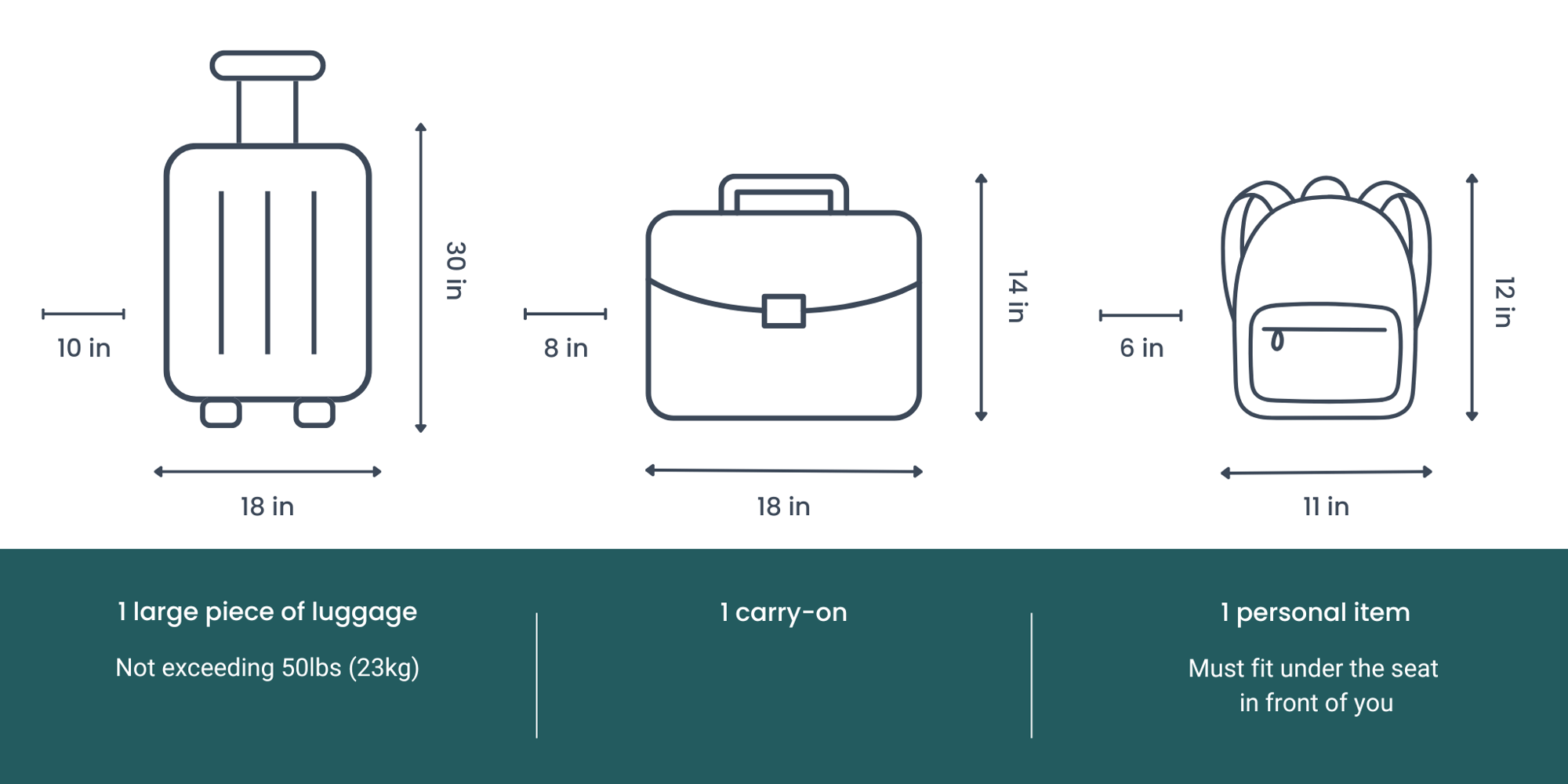
- Soft-shell luggage or duffel bags are preferred over hard suitcases to ensure they fit in the lockers in the vans.
- Keep electronics, valuables, essential medications, and a change of clothes in your carry-on.
- Zimbabwe experiences hot daytime temperatures during much of the year, with significantly cooler nights, particularly during the winter months. Be prepared for seasonal temperature swings, even within the same day.
Top Destinations & Experiences
Discover the incredible places you'll visit during your Zimbabwe adventure
Victoria Falls
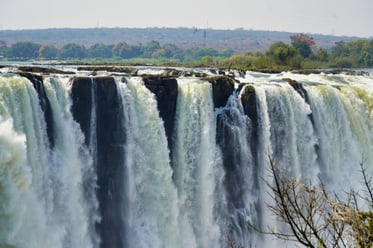
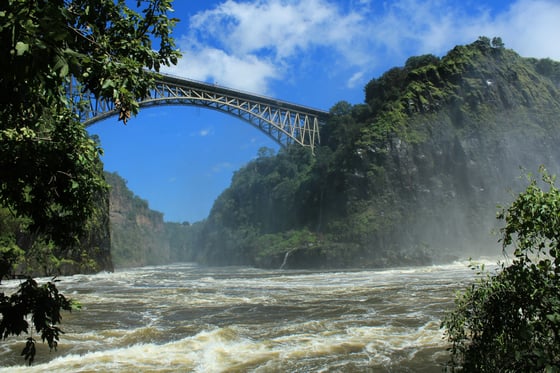
Known locally as "Mosi-oa-Tunya" (The Smoke That Thunders), Victoria Falls is one of the world's most spectacular natural wonders.
Must-See Experiences:
- Main Falls Viewpoint – Witness the full majesty of the falls.
- Devil's Pool – Swim at the edge of the falls (seasonal).
- Flight of Angels – Helicopter ride over this natural wonder.
- Sunset Zambezi Cruise – Spot wildlife while enjoying sundowners.
Hwange National Park
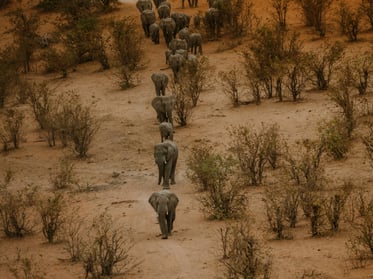
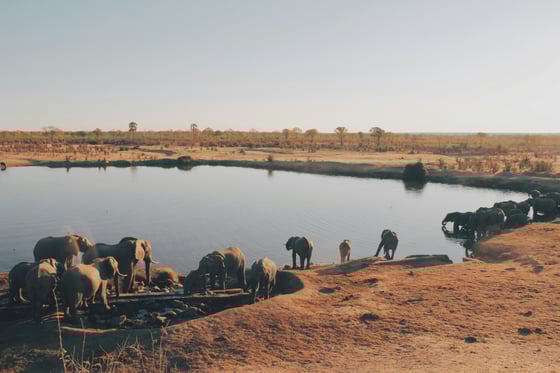
Zimbabwe's largest national park is home to over 100 mammal species and 400 bird species, including one of Africa's largest elephant populations.
Safari Highlights:
- Big Five Game Drives – Excellent lion and elephant sightings.
- Nyamandhlovu Pan – Watch wildlife from the raised hide.
- Night Safaris – Spot nocturnal animals like aardvarks.
- Walking Safaris – Experience the bush up close with expert guides.
Must-Try Zimbabwean Foods
Zimbabwean cuisine reflects the country's agricultural traditions and cultural influences. Here are some dishes you shouldn't miss:
Sadza
Thick cornmeal porridge served with relish, meat, or vegetables.
Nyama
Grilled or stewed meat, often seasoned with local spices.
Muriwo
Leafy greens (similar to collard greens) cooked with onions and tomatoes.
Dovi
Stew made with chicken or vegetables in a rich peanut butter sauce.
Kapenta
Small dried fish, often served with sadza or as a snack.
Mapopo
Sweet candied papaya, a popular traditional dessert.
Local Culture & Responsible Travel
Tips for respectful travel and cultural awareness during your adventure
Cultural Etiquette
- Greetings: Zimbabweans value proper greetings. A handshake is common, often using both hands to show respect.
- Communication: English is widely spoken, but learning a few words in Shona (like "Mangwanani" - good morning) is appreciated.
- Elders: Show particular respect to elders - this may include standing when they enter a room.
- Photography: Always ask permission before taking photos of people, especially in rural areas.
- Dress Code: Dress modestly, especially when visiting communities or religious sites.
Responsible Tourism
- Wildlife Ethics: Maintain proper distance from animals and follow guide instructions during safaris.
- Conservation Support: Choose operators that actively contribute to conservation efforts.
- Water Conservation: Zimbabwe experiences drought periods - use water responsibly.
- Local Economy: Buy souvenirs directly from artisans and support community tourism initiatives.
- Cultural Respect: Learn about local customs and traditions before visiting communities.
⚠️ Important Safety Note
While Zimbabwe is generally welcoming to tourists, be aware of your surroundings in urban areas. Keep valuables secure, avoid displaying expensive items or foreign currency in public, and take standard safety precautions as you would while traveling anywhere.
Additional Travel Tips
- Cash is King: Zimbabwe mainly operates on a cash basis. Bring sufficient US dollars.
- Malaria Prevention: Take appropriate medication and use mosquito repellent, especially at dusk.
- Wildlife Safety: Always listen to your guides and never approach wild animals.
- Drink Bottled Water: Tap water is treated in some areas, but not recommended; stick to bottled or filtered water for drinking and brushing teeth, and avoid ice unless you’re sure it’s made from clean water.
- Pack Light: Many safari lodges offer laundry services.
- Languages: The languages spoken in Zimbabwe include English, Shona, and Ndebele.
- Medical Note: Update your trip form and inform your trip leader of any medical conditions or prescription medications (especially those requiring refrigeration). Report illness early, as medical facilities may be far away, and carry all necessary medications while practicing safe health habits.
- Flights: Need help searching for a flight? We recommend Skyscanner.com to compare different routes and rates. Click here to search!
Luggage Restrictions