

Vietnam Destination Guide
This essential guide will help you prepare for an unforgettable journey through Vietnam's stunning landscapes and vibrant culture.

Essential Travel Information for Vietnam
Everything you need to know before your Vietnam adventure
Visa & Entry Requirements
- Visa: Most visitors need a visa. E-visa available for 80+ countries for stays up to 30 days.
- Passport Validity: Must be valid for at least six months beyond your departure date.
- Proof of Onward Travel: Immigration may ask for proof of onward/return travel.
- Health Requirements: Check current vaccination and entry requirements before departure.
Currency & Payments
- Currency: Vietnamese Dong (VND) is the official currency. 1 USD ≈ 24,000 VND. U.S. dollars are also widely accepted in some tourist areas, but it’s best to pay in VND for local transactions.
- ATMs: Widely available in cities and tourist areas. Most have withdrawal limits of around 2–3 million VND (USD $80–120) per transaction, so plan accordingly.
- Cash vs. Card: Major credit cards are accepted in larger establishments and hotels, but many local markets and restaurants are cash-only.
- Tipping: Not traditionally expected, but appreciated for good service (5-10%).
Mobile & Internet
- SIM Cards: Viettel, Mobifone, and Vinaphone offer affordable data packages. Purchase at the airport.
- WiFi: Available in most accommodations and cafés in tourist areas, though speeds can slow during storms or in rural areas.
- Power Adapters: Vietnam uses Types A, C, and F plugs. Voltage is 220V.
- Power Outages: Short, intermittent blackouts can occur in rural areas. Pack a small power bank or flashlight.
Time Zone
- Vietnam follows Indochina Time (ICT) – UTC +7.
- Vietnam is 11-12 hours ahead of U.S. Eastern Time, depending on daylight saving time.
- No daylight saving time observed in Vietnam.
Climate & Weather
- Northern Vietnam: Four distinct seasons. Summer (May-Oct) is hot and rainy; Winter (Nov-Apr) is cooler and drier.
- Central Vietnam: Hot and dry from Jan-Aug, rainy from Sep-Dec.
- Southern Vietnam: Year-round warm temperatures with dry (Nov-Apr) and wet (May-Oct) seasons.
- Best Time to Visit: Oct-Apr for most regions.
- Typhoon Season: The central coast (Da Nang, Hoi An, Hue) is prone to typhoons from September to November.
Emergency Contacts
- Vietnam Emergency: 📞 113 (Police), 114 (Fire), 115 (Ambulance)
- U.S. Embassy: 📞 +84 24-3850-5000 (Hanoi)
- Tourist Police: 📞 +84 8-3829-7643 (HCMC), +84 4-3942-1405 (Hanoi)
- International SOS: 📞 +84 28-3829-8424 (HCMC), +84 24-3934-0666 (Hanoi)
Packing Checklist for Vietnam
Use this checklist to ensure you pack everything you need for your Vietnam adventure
Travel Documents & Essentials
- Passport (valid for at least 6 months)
- Vietnam visa or e-visa approval letter
- Flight itinerary & proof of onward travel
- Travel insurance details (highly recommended)
- Credit/debit cards
- Local currency (Vietnamese Dong)
- International driver's license (if planning to drive)
- Travel wallet or money belt
- Copies of important documents (separate from originals)
- Emergency contact information
Clothing & Accessories
- Lightweight, breathable clothing
- Long-sleeved shirts and pants (for sun protection and temples)
- Rain jacket or poncho (especially during rainy season)
- Light sweater or jacket (for air conditioning and cooler northern regions)
- T-Shirts and shorts
- Scarf or shawl
- Comfortable walking shoes
- Sandals or flip-flops
- Swimwear
- Modest attire for visiting temples/pagodas
- Sun hat and sunglasses
- Quick-dry towel for beaches or day trips
Health & Safety
- Prescription medications (in original packaging)
- Basic first-aid kit
- Insect repellent with DEET
- Sunscreen (SPF 30+ and reef-safe)
- Hand sanitizer and wet wipes
- Anti-diarrheal medication
- Pain relievers
- Motion sickness tablets (if traveling by boat)
- Reusable water bottle with filter
- Face masks and travel-sized hand sanitizer
- Earplugs and eye mask
- Electrolytes and snacks
Electronics & Gadgets
- Universal power adapter (Types A, C, and F)
- Smartphone & charger
- Camera & charger
- Portable charger/power bank
- Waterproof phone case or dry bag
- Headphones
- E-reader or books for downtime
- Small flashlight or headlamp
- Portable fan (for hot weather)
- Offline maps downloaded to your phone
Packing Tips for Vietnam
- Pack light! Laundry services are incredibly affordable throughout Vietnam.
- Bring modest clothing for temple visits—shoulders and knees should be covered.
- Vietnam's climate varies dramatically from north to south — you may encounter very different climates in on one trip, so plan and pack accordingly. Pack layers if you are visiting multiple regions.
- Leave space in your luggage for souvenirs like coffee, silk items, and handicrafts.
Top Destinations & Experiences
Discover Vietnam's incredible destinations from ancient cities to natural wonders
Hanoi
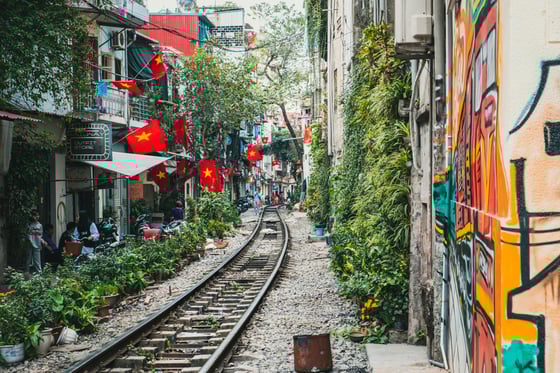
Vietnam's charming capital blends colonial architecture with ancient temples and vibrant street life.
Must-See Attractions:
- Old Quarter – 36 historic streets filled with shops, cafés, and local life.
- Hoan Kiem Lake – The heart of the city with the iconic red Huc Bridge.
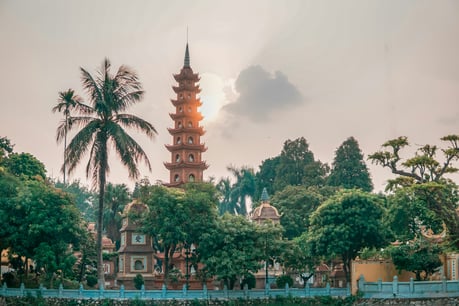
- Temple of Literature – Vietnam's first national university, built in 1070.
- Ho Chi Minh Mausoleum – Final resting place of Vietnam's revolutionary leader.
Ha Long Bay
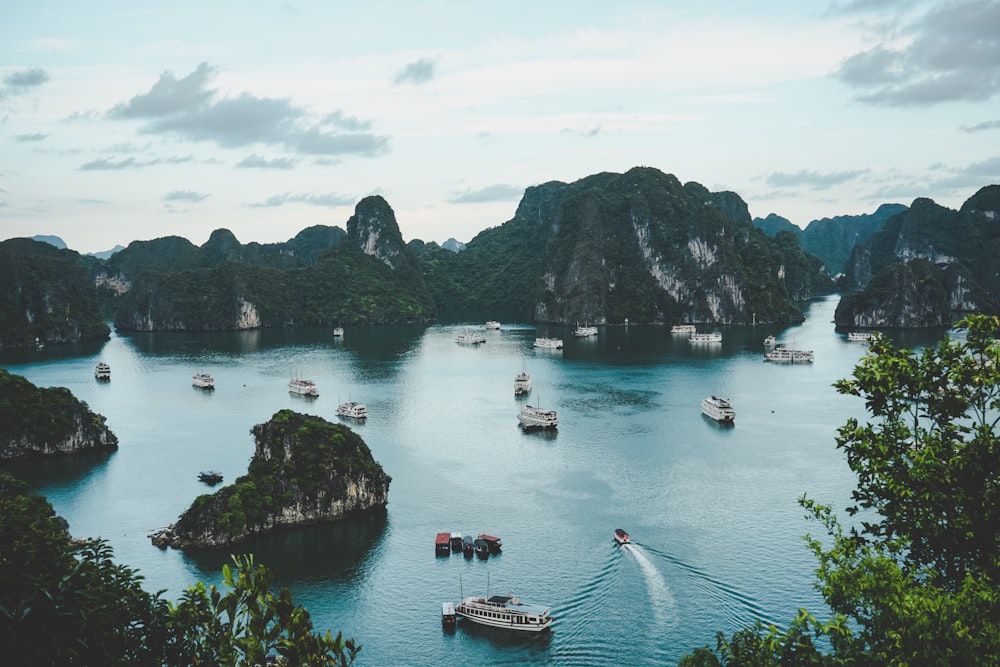
UNESCO World Heritage Site featuring thousands of limestone islands rising dramatically from emerald waters.
Bay Highlights:
- Overnight Cruise – The best way to experience the bay's changing moods.
- Sung Sot Cave – Enormous cavern with impressive stalactites and stalagmites.
- Ti Top Island – Climb to the viewpoint for panoramic bay views.
- Kayaking Adventures – Paddle through hidden lagoons and around karst formations.
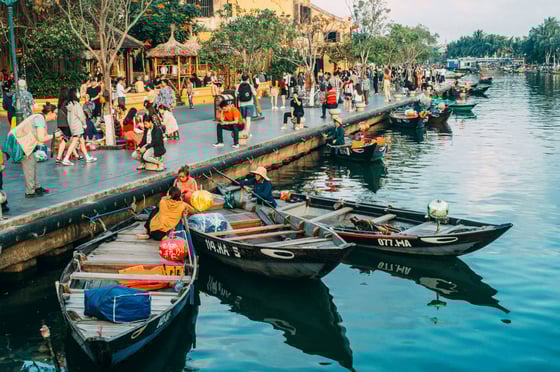
Hoi An
Beautifully preserved ancient trading port known for its colorful lanterns, tailor shops, and charming riverside setting.
Hoi An Highlights:
- Ancient Town – UNESCO-listed old town with Japanese Bridge and historical houses.
- Lantern Market – The town is at its most magical when illuminated at night.
- Tailoring – Get custom clothing made by skilled local tailors.
- An Bang Beach – Beautiful beach just a short bike ride from town.
Must-Try Vietnamese Foods
Vietnamese cuisine is celebrated worldwide for its fresh ingredients, vibrant flavors, and healthy cooking techniques. Here are some dishes you shouldn't miss:
Pho
Fragrant rice noodle soup with beef or chicken, herbs, and lime.
Banh Mi
French-inspired baguette filled with meats, pâté, and pickled vegetables.
Bun Cha
Grilled pork with rice noodles, herbs, and dipping sauce.
Goi Cuon
Fresh spring rolls with shrimp, herbs, and peanut dipping sauce.
Ca Phe Trung
Vietnamese egg coffee—a sweet, custard-like treat.
Cao Lau
Hoi An specialty with thick rice noodles, pork, and local greens.
Local Culture & Responsible Travel
Tips for respectful travel and cultural awareness in Vietnam
Cultural Etiquette
- Greetings: A slight bow, a nod and a smile, or a gentle handshake is appropriate. Avoid overly firm handshakes. Handshakes are common in business settings.
- Religious Sites: Remove shoes before entering temples and homes. Dress modestly—cover shoulders and knees. Don't point your feet at others or altars. Walk clockwise around shrines.
- Saving Face: Vietnamese culture values humility and politeness. Public criticism or displays of anger cause embarrassment. A smile goes a long way — stay calm and smile.
- The Head: Avoid touching people's heads, as it's considered sacred in Vietnamese culture.
- Chopstick Etiquette: Chopsticks are used for most meals. It’s considered polite to leave a small amount of food on your plate to show you’re satisfied. Never stick chopsticks upright in rice (resembles funeral incense).
Responsible Tourism
- Environmental Impact: Avoid single-use plastics and be mindful of waste in rural areas.
- Ethical Photography: Always ask permission before photographing people, especially in minority villages. Don't take photos of military or government sites.
- Support Local: Choose locally-owned accommodations, restaurants, and tour operators.
- Cultural Sensitivity: Learn basic Vietnamese phrases—locals appreciate the effort.
- Animal Welfare: Avoid tourist attractions that exploit animals like elephant riding.
⚠️ Important Safety Note
Vietnam is generally safe, but be vigilant against petty theft in tourist areas. Keep valuables secure and be aware of motorbike snatch-theft in major cities. When crossing busy streets, walk slowly and steadily—traffic will flow around you. Be cautious of scams and overcharging, especially in tourist-heavy areas. Always confirm taxi fares before starting your trip or use a trusted ride-hailing app like Grab.
Additional Travel Tips
- Bargaining: Negotiate prices at markets, but remain friendly and respectful.
- Traffic: Roads can be chaotic—use proper caution when crossing streets.
- Street Food: Vietnam’s street food scene is world-famous — follow locals to find the best stalls! It is safe to eat from busy stalls where food is cooked fresh and from places that are busy and have a high turnover. Try dishes like pho, banh mi, bun cha, and goi cuon.
- Sun Sensitivity: UV levels can be strong even on cloudy days — wear sunscreen daily and reapply often.
- Heat & Hydration: High humidity and heat can cause dehydration—drink plenty of water, use sunscreen, and wear a hat.
- Air Pollution: In major cities, air quality can fluctuate. Travelers with respiratory issues may wish to bring a mask.
- Smoking Laws: The legal age is 18 years old. Smoking is banned in public buildings, hospitals, schools, and public transport. E-cigarettes and heated tobacco are banned as of 2025.
- Dietary Restrictions: Vegetarian and vegan options are increasingly available, especially in major cities, but are limited in rural areas.
- Water Safety: Tap water in Vietnam is not safe to drink. Always use bottled or filtered water for drinking and brushing teeth. Many hotels provide refill stations—bring a reusable bottle to minimize plastic waste. Ice in hotels and reputable restaurants is generally safe, but avoid ice in rural areas or street stalls.
- Medical Care & Pharmacies: Pharmacies are easy to find in cities and towns, though rural areas may have limited access. Brand names can differ, so bring medications in their original packaging along with prescriptions.
- Language Apps: Download a Vietnamese phrasebook or translation app.
- Weather Planning: Check regional weather patterns when planning your itinerary.
- Mosquito Protection: Use insect repellent and wear long sleeves and pants, especially at dawn and dusk. Malaria and dengue can occur in rural areas—consult your doctor about prevention.
- Flights: Need help searching for a flight? We recommend Skyscanner.com to compare different routes and rates. Click here to search!
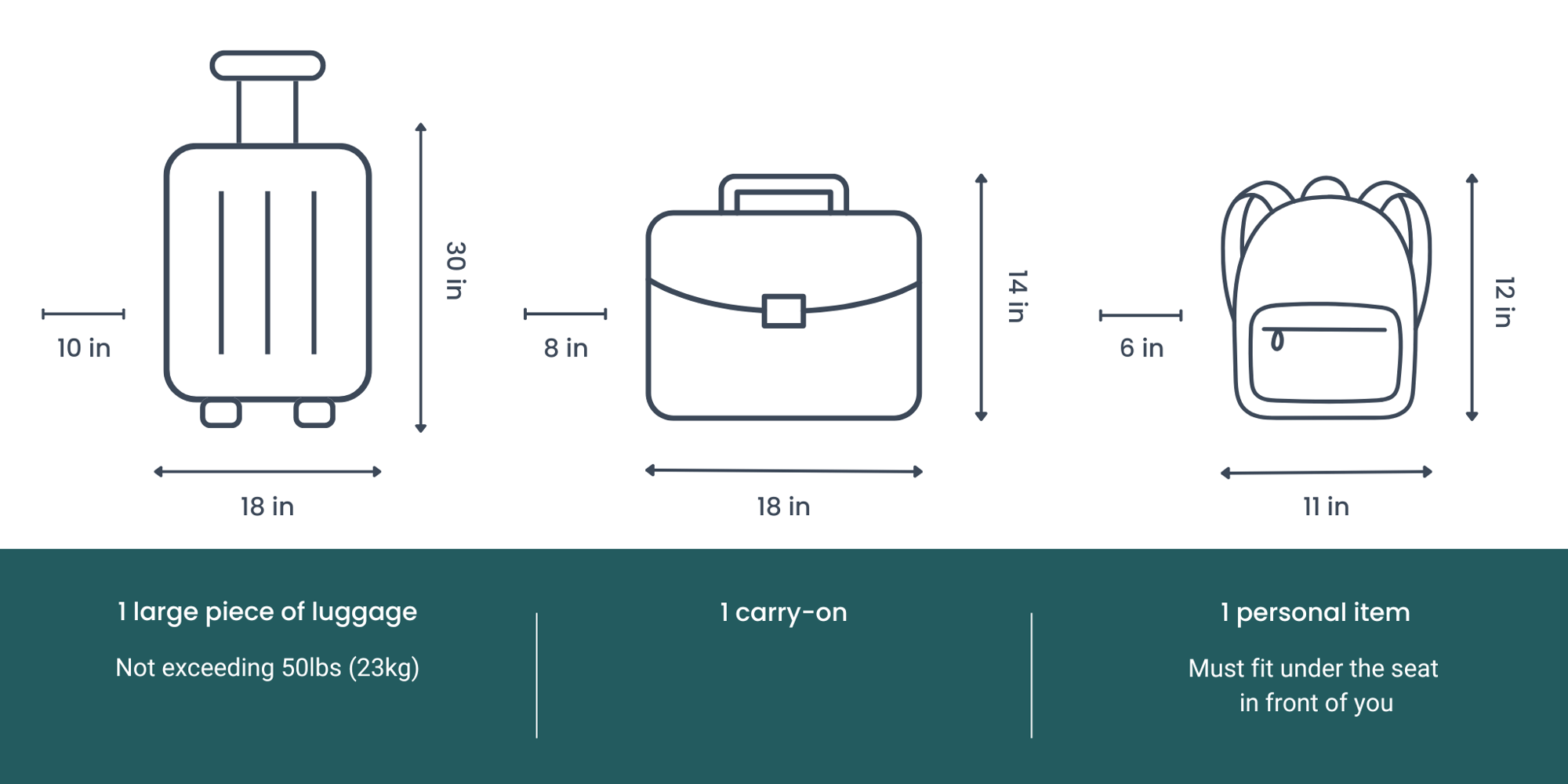
Luggage Restrictions