About Bolivia
Bolivia is a land of extremes, where towering Andes peaks, vibrant Indigenous traditions, colorful markets, and otherworldly landscapes come together to create one of South America's most unforgettable destinations. From bustling high-altitude cities to vast salt flats and volcanic deserts, adventure awaits around every corner.
Overview
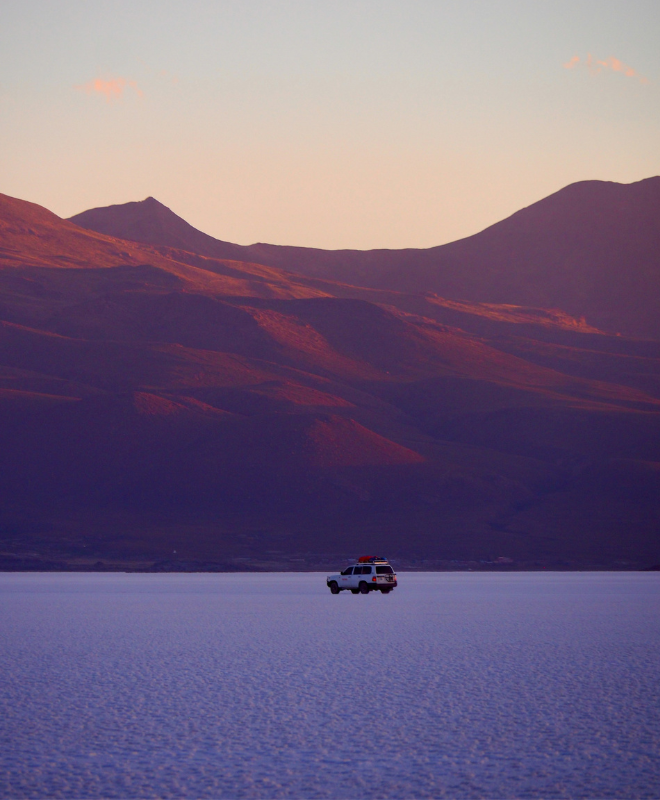
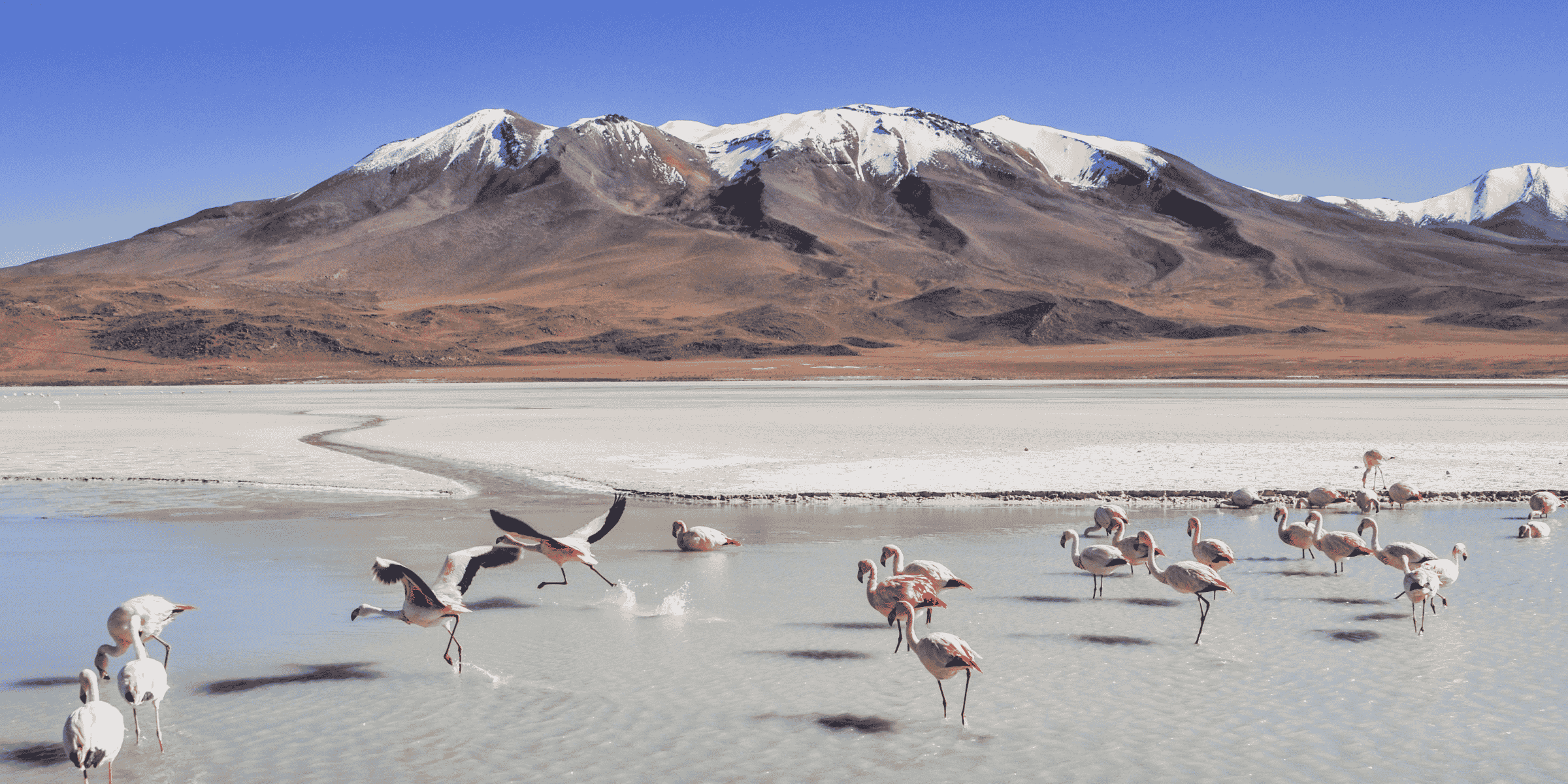
Experience Bolivia's most spectacular landscapes on a journey through the country's breathtaking southwest. Walk across the endless expanse of Salar de Uyuni, discover colorful lagoons and volcanic backdrops, and explore remote scenery that feels straight out of another world. Then return to La Paz to cap off the adventure with the lively spectacle of Cholita wrestling, one of Bolivia's most iconic cultural experiences.
Established: August 6, 1825
Area: 424,164 sq mi (271 million acres)
Elevation: 295 ft (low) & 21,463 ft (high)
Time Zone: Bolivia Time (BOT), UTC -4
Emergency Number:
- 118 (Fire Department)
- 165 (Ambulance)
Packing List
Language
Bolivia is home to 37 different languages, though these are the most common:
- Spanish
- Quechua
- Aymara
- Guaraní
Fun Facts
- There are two capitals: Sucre & La Paz
- Bolivia is one of the most biodiverse countries on Earth, hosting roughly 40% of the world's animal and plant life
- Salar de Uyuni is the largest salt flat on Earth
- The Yungas Road in Bolivia is one of the most dangerous roads in the world
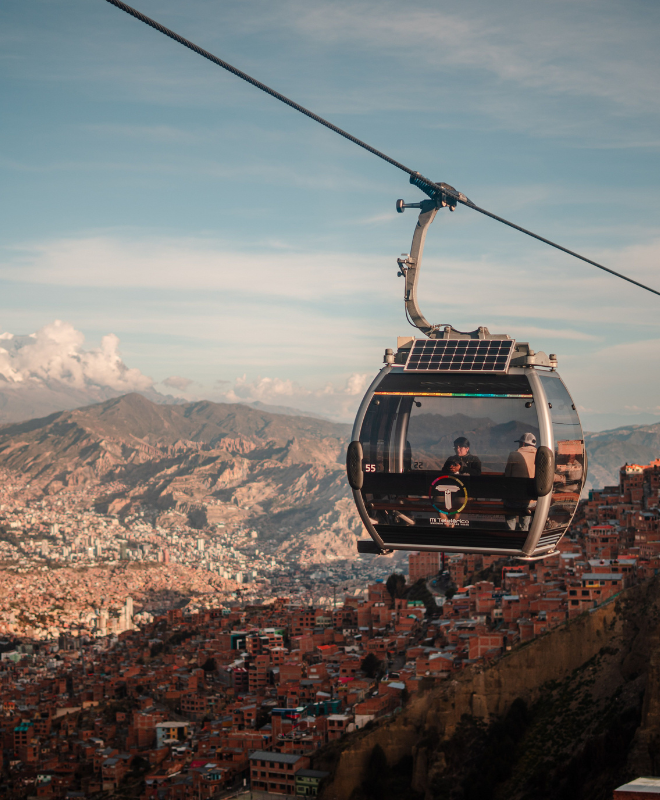
- La Paz is the world's highest capital city. Sitting at about 11,975 feet above sea level
- Pink dolphins live in the Bolivian Amazon
- Sucre contains 5,000 dinosaur footprints from at least eight different species
- Bolivia was part of the Inca Empire
- Home to the largest indigenous population in Latin America with 37 official languages
- The national dish is the salteña: a baked pastry that has a tasty, juicy stew inside
- Traditional Aymara women's bowler hats carry secret messages: Wearing the hat tipped to one side means a woman is married, while wearing it straight on top of the head signifies she is single
Tipping
Tipping Suggestions: Tips for guides, drivers and restaurants are not included. Tips provide supplemental income, and, while not mandatory, are greatly appreciated. If the local teams have added to the experience, please reward them.
| Guides | USD $5-10 per person/per day | |
| Drivers | USD $5-10 per person/per day | |
| Restaurants | 10% of meal cost |
FAQ
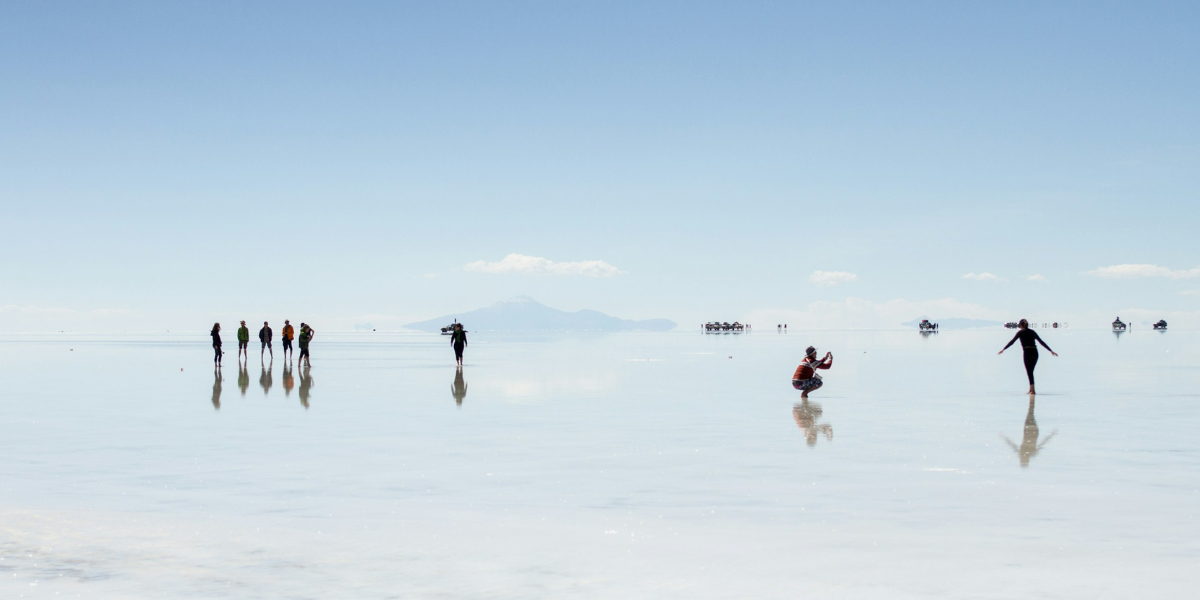
- Will I experience the famous mirror effect on the Salt Flats? The mirror effect occurs when a thin layer of water covers the salt flats, typically during the wet season (December–March). During the dry season (April–November), you'll experience the iconic endless white landscape instead. Both seasons offer incredible photo opportunities, but the scenery looks very different.
- Should I bring altitude sickness medication? Many Travelers choose to bring altitude medication as a precaution.
- Do you recommend travel insurance? While not required, we highly recommend all travelers get travel insurance for their trip to protect themselves from the unknown! Check out our travel insurance option from the traveler portal.
- Is Bolivia safe for Travelers? Bolivia is safe for tourists when using common-sense precautions. As with any destination, keep an eye on personal belongings, avoid displaying valuables, and follow guidance from your local Guides.
- Do I need a visa? U.S. citizens do not need a visa to visit Bolivia for tourism or business stays of up to 90 days within a one-year period.
- What will the weather be like? Days can be sunny and relatively mild, while mornings, evenings, and overnight temperatures can be quite cold—especially in the Uyuni region. Layers are highly recommended year-round.
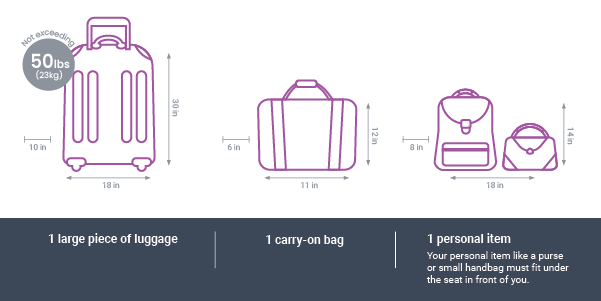
Luggage Restrictions