Mont Blanc: Trip Preparation & Destination Information

Mont Blanc trek packing list.

About Mont Blanc

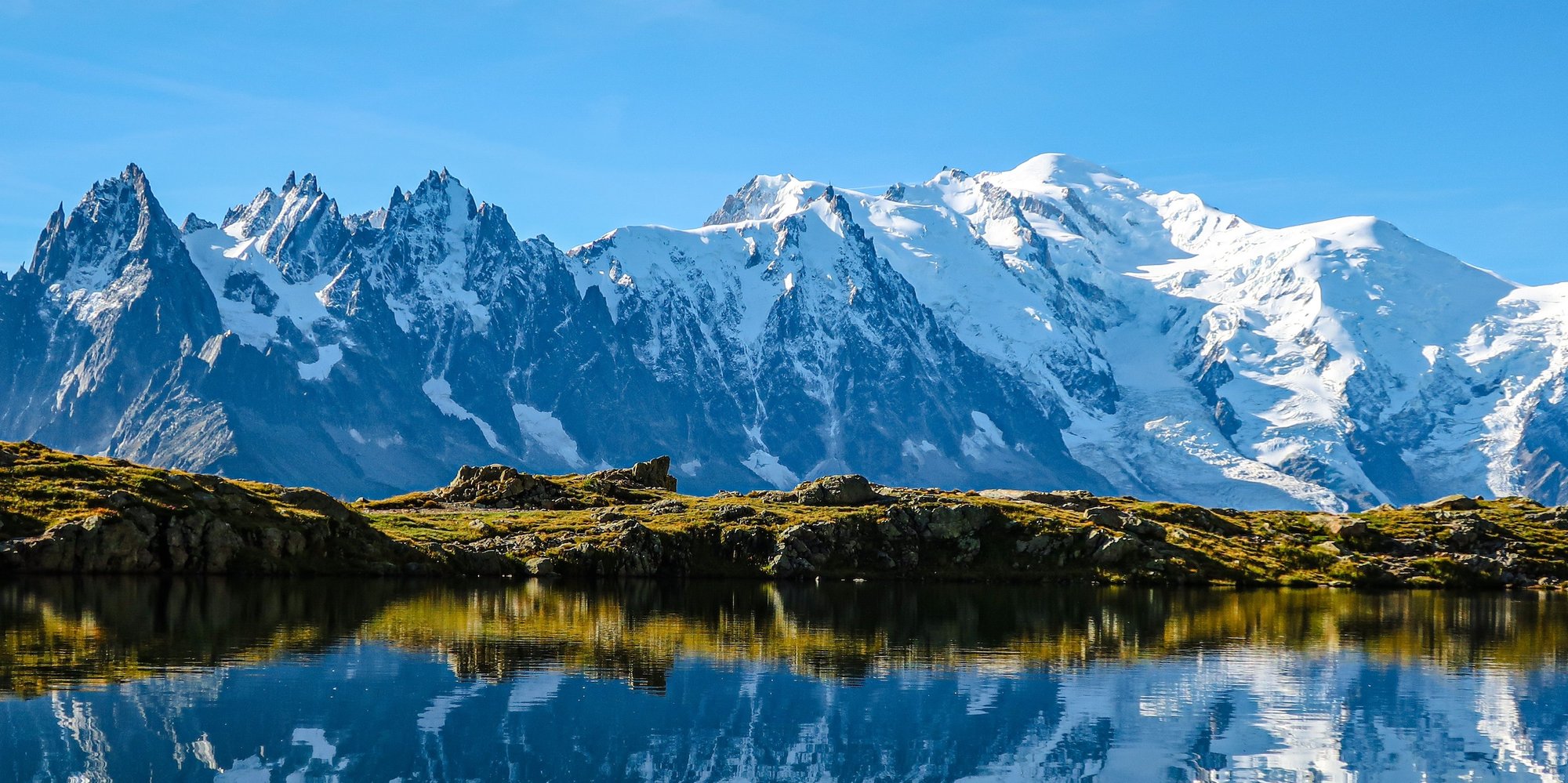
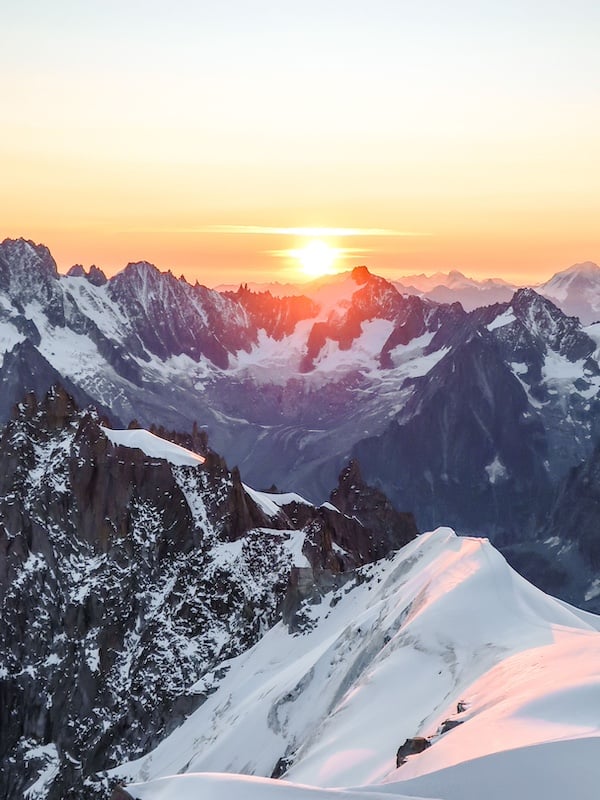
Chamonix is a breathtaking alpine destination where towering peaks, glaciers, mountain lakes, and charming French villages come together. From the dramatic Bionnassay Glacier and legendary Mer de Glace to the crystal-clear waters of Lac Blanc and panoramic views from Planpraz and Brévent, this trip offers an unforgettable mix of adventure and alpine scenery. Hike through the heart of the French Alps, take in incredible views of Mont Blanc, and experience why Chamonix is known as the world capital of mountaineering.

Overview

Discover Chamonix and Mont Blanc on a journey through one of the French Alps’ most iconic mountain destinations. Hike through dramatic alpine landscapes, explore glaciers like Bionnassay and La Mer de Glace, and take in panoramic views from Lac Blanc, Planpraz, and Brévent. Surrounded by towering peaks and historic mountain villages, Chamonix offers an unforgettable mix of outdoor adventure, breathtaking scenery, and classic Alpine charm.

Area: Approximately 17 km (10.5 miles) from the Col des Montets to the Taconnaz stream across the Chamonix-Mont-Blanc Valley

Elevation: Chamonix sits at 1,035 m (3,399 ft), while Mont Blanc reaches approximately 4,805 m (15,764 ft)

Time Zone: Central European Time (CET), UTC +1; Central European Summer Time (CEST), UTC +2

Emergency Number: 112 (European emergency number for police, fire, and medical emergencies)

Fitness Requirements: This is a challenging hiking trip requiring a good level of fitness. Travelers should be comfortable hiking 8–9 hours per day on steep, rocky, and uneven terrain in unpredictable weather. If you’re not regularly active, we recommend starting to train 4-6 weeks before departure with 2–3 walks per week, including longer walks, hills, or stairs.
Mont Blanc packing list for group hiking trips to Mount Blanc.
Mont Blanc packing list.

Packing List

Language

French is the official language of France, while English is commonly spoken in popular tourist destinations like Chamonix.

  • French (official)
  • English (widely spoken in tourist areas)
  • Italian (sometimes spoken near the Italian border)
Mont Blanc packing list.

Weather

CHAMONIX WEATHER


Summer: Temperatures can exceed 40°C/104°F. Stay hydrated, use sun protection, and consider whether the heat is right for you.

Shoulder Season: Weather can be unpredictable, with snow possible at higher elevations. Pack warm, waterproof layers.

Mountain Weather: Conditions can change quickly. Always carry a rain jacket, extra layer, sunglasses, and a sunhat.

Fun Facts

  • Mont Blanc is technically getting taller and shorter. Its height changes from year to year because the summit is covered in snow and ice. In other words, Europe's highest mountain doesn't have a permanent height.
  • The first people to climb Mont Blanc weren't professional mountaineers. The 1786 first ascent was made by Jacques Balmat, a crystal hunter, and Michel-Gabriel Paccard, a doctor. Not exactly your typical climbing team.
  • You can be in three countries in one afternoon. The Mont Blanc region sits near the borders of France, Italy, and Switzerland, and several mountain viewpoints offer views across all three countries.
  • There are underground rooms inside the Mer de Glace. The glacier has been carved into ice caves that visitors can explore. The cave has to be recreated periodically because the glacier is constantly moving.
  • Mont Blanc has a tunnel running straight through it. The Mont Blanc Tunnel connects France and Italy and stretches about 11.6 km (7.2 miles) beneath the mountain. You can literally drive underneath the Alps.
  • Chamonix hosted part of the first Winter Olympics. The 1924 Winter Olympics were held in Chamonix, making it one of the earliest destinations to host the Games.
  • The Eiffel Tower gets taller in summer. The metal expands in hot weather, adding several inches to its height.
  • France has more time zones than any other country. Its overseas territories spread across the globe, giving France 12 time zones.
  • France invented the modern Michelin Guide. It originally started as a travel guide created by the Michelin tire company to encourage people to drive and explore France.

Tipping

Tipping Suggestions: A service charge is typically included in the bill, so there is generally no need to tip. For good service at a proper restaurant, you can round up the bill by a few euros if a service charge has not already been included.

FAQ

How difficult is this trip?
This is an active hiking trip with several days spent on mountain trails around Chamonix and Mont Blanc. The hikes are considered accessible but can include elevation gain, uneven terrain, and rocky sections. A good level of fitness and comfort with hiking is recommended.

What should I pack?
Bring comfortable, broken-in hiking shoes, moisture-wicking layers, a rain jacket, warm layers, a daypack, water bottle, sunscreen, sunglasses, and a hat. Weather can change quickly in the mountains, so layers are key.

Do you recommend travel insurance?
Yes. Travel insurance is highly recommended for this trip. Make sure your policy covers outdoor activities and any unexpected medical or travel expenses. You can learn more through your Traveler Portal.

Is France safe for Travelers?
France is a popular destination for international Travelers and Chamonix is a well-established mountain destination. As with any trip, keep an eye on your belongings, stay aware of your surroundings, and follow your Guide’s instructions while hiking.

Do I need a visa?
France is part of the Schengen Area. U.S. citizens can typically visit for up to 90 days within a 180-day period without a visa for tourism. Visa requirements vary by nationality, so check the current requirements for your passport before traveling.

What will the weather be like?
Mountain weather around Chamonix can change quickly. Expect warmer temperatures in town but cooler conditions at higher elevations, along with the possibility of wind, rain, or sudden temperature changes. Pack layers and rain protection so you're prepared for changing conditions.

What kind of hiking will we be doing?
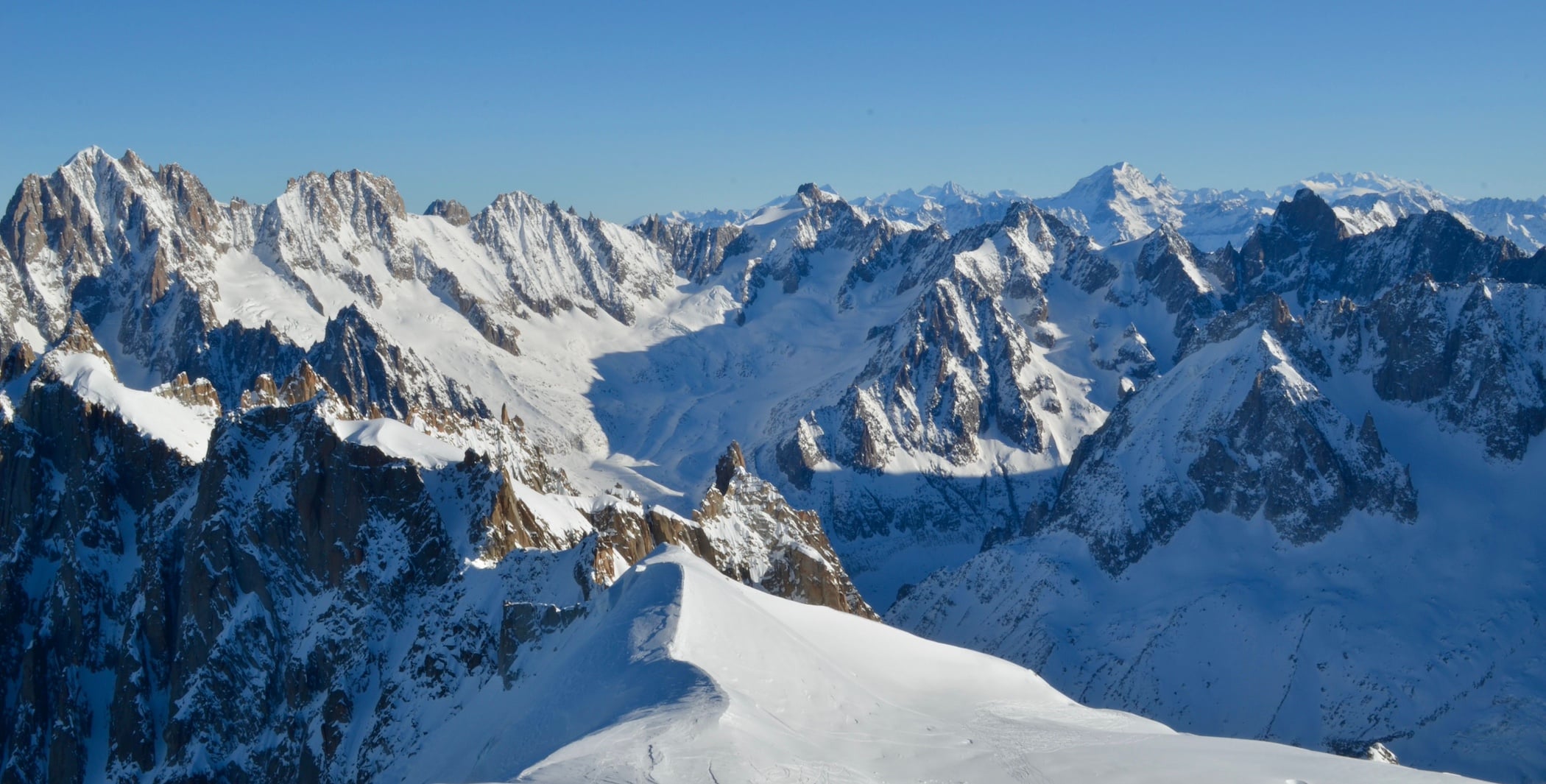
You'll hike through alpine terrain with views of glaciers, valleys, and dramatic peaks. Trails can include rocky and uneven sections, elevation changes, and exposed areas. Hiking experience is recommended, but the itinerary focuses on accessible routes rather than technical mountaineering.

Will we be hiking on glaciers?
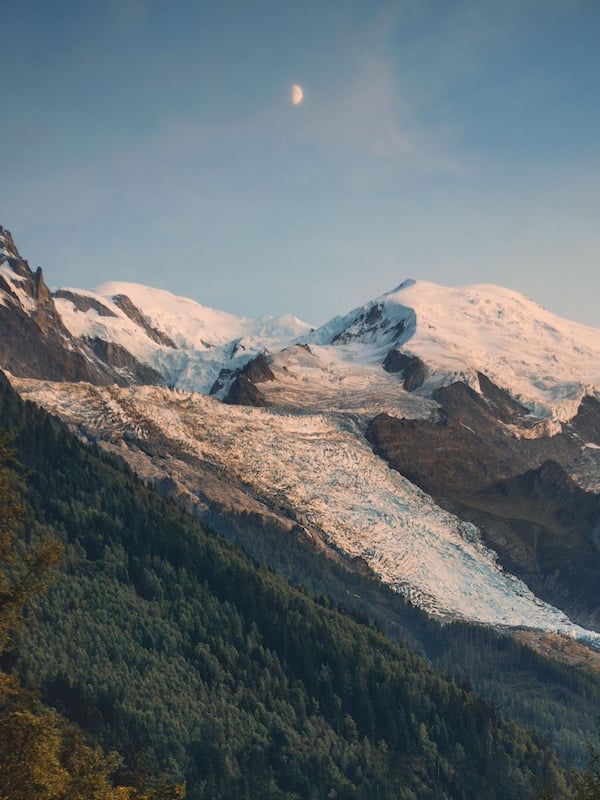
The itinerary includes hikes to viewpoints and areas around glaciers, including Bionnassay Glacier and La Mer de Glace. This does not mean you'll be doing technical glacier climbing. Your Guide will provide direction on staying safe around glacial terrain.

Will I experience altitude?
Yes. Several activities take place at higher elevations around Mont Blanc. You may notice the altitude more than you would in Chamonix itself, particularly during hikes and at mountain viewpoints. Staying hydrated and pacing yourself can help.

What is Chamonix like?
Chamonix is a historic alpine town at the foot of Mont Blanc and is known as one of the world's most famous mountaineering destinations. The town combines a lively mountain atmosphere with incredible access to hiking, glaciers, and panoramic viewpoints.

What is La Mer de Glace?
La Mer de Glace, or “Sea of Ice,” is one of the largest glaciers in the French Alps. It's one of Chamonix's most famous natural landmarks and offers an unforgettable look at the region's glacial landscape.

What is Lac Blanc?
Lac Blanc is a stunning alpine lake above Chamonix known for its dramatic views of the Mont Blanc massif. On a clear day, the surrounding peaks are reflected in the lake, making it one of the area's most iconic viewpoints.

Will there be free time in Chamonix?
Yes. Evenings are spent at your mountain hotel near Chamonix, giving you time to relax after your days on the trails and enjoy the mountain atmosphere.

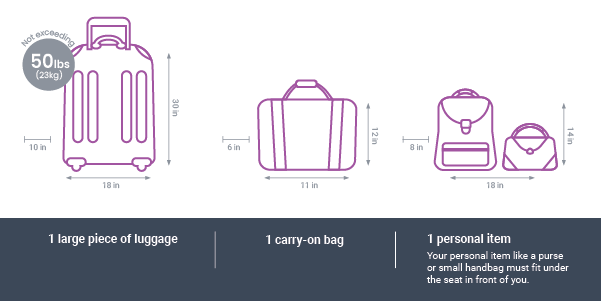
Luggage Restrictions

ellainwonderland-iceland-3
Luggage Restrictions purple (2)

Book With Confidence