

Galápagos Islands Destination Guide
This essential guide will help you prepare for an unforgettable journey through the Galápagos Islands.
Essential Travel Information for the Galápagos Islands
Everything you need to know before your Galápagos Islands adventure
Visa & Entry Requirements
- Transit Control Card: Required for all visitors, costs $20 USD, and is obtained at the airport or online in advance.
- Passport Validity: Must be valid for at least six months beyond your departure date.
- Ecuador Entry: Most travelers from the USA, UK, Canada, Australia, and the EU can enter Ecuador visa-free for up to 90 days.
- Passport Details: Full passport details are required at the time of booking to arrange permits.
- Bag Inspection: Mandatory SICGAL screening at Quito or Guayaquil airports. Arrive 2+ hours early.
Currency & Payments
- US Dollar (USD) is the official currency of Ecuador and the Galápagos.
- Cash: Essential as many places don't accept cards. Bring smaller bills.
- ATMs: Available on Santa Cruz and San Cristobal islands, but can be unreliable. Banks there can also exchange traveler’s checks or provide cash advances on most credit cards. It's best to withdraw your money on the mainland in case these are out of order.
- Credit Cards: Credit Cards are not widely accepted. Major credit cards are accepted in larger hotels, restaurants, and a handful of shops, but not everywhere, so it is preferable to pay in cash — especially outside of Santa Cruz.
- Notify Your Bank: Inform your bank of travel plans to avoid card blocks.
Mobile & Internet
- WiFi: Available in most hotels, but can be slow and unreliable due to the remote island setting.
- Cell Service: There's good cell phone reception on the larger islands, but don’t expect it when at sea. Ensure you have global roaming activated before leaving home if you wish to use your cell phone.
- SIM Cards: Claro and Movistar offer service in populated areas of the islands.
- Power: Ecuador uses 120V with Type A and B plugs (same as the USA).
Time Zone
- Galápagos Islands follow Galápagos Time (GALT) – UTC -6.
- The islands are 1 hour behind mainland Ecuador.
- The Galápagos is 1 hour behind U.S. Eastern Standard Time.
Climate & Weather
- Warm Season: December to May (24-30°C/75-86°F), warmer waters, occasional rain.
- Cool Season: June to November (19-24°C/66-75°F), cooler waters, misty mornings.
- Water Temperature: Ranges from 18-24°C (65-75°F) depending on season.
- UV Exposure: Very high due to equatorial location.
Transportation
- On the Islands: Bikes, buses, and taxis are available for local transport.
- Restricted Areas: Some areas are only accessible with guided tours.
- Mainland Ecuador: Uber is available in Quito.
- Guides: You will have two guides - one in Quito and one in the Galápagos.
Water & Health
- Drinking Water: Tap water is NOT safe to drink. Use purified, boiled, or bottled water only.
- Health Supplies: Bring Pepto-Bismol/Imodium and motion sickness medication.
- Sun Protection: Pack reef-safe sunscreen with high SPF.
- Hand Sanitizer: Bring a portable supply for times when soap/water aren't available.
Language
- Official Language: Spanish is the official language.
- Tourist Areas: English is widely spoken in tourist areas.
- Useful Phrases:
- Hello – ¡Hola!
- Thank you – Gracias
- Where is...? – ¿Dónde está...?
- Do you speak English? – ¿Habla inglés?
Emergency Contacts
- Emergency Number: 📞 911
- Galápagos Hospital (Santa Cruz): 📞 +593 5-252-0144
- US Consulate (Quito): 📞 +593 2-398-5000
- Park Ranger Station: 📞 +593 5-252-0497
Packing Checklist for the Galápagos Islands
Use this checklist to ensure you pack everything you need for your Galápagos Islands adventure
Travel Documents & Essentials
- Passport (valid for at least 6 months)
- Cash for National Park fee ($200 USD) and Transit Card ($20 USD)
- Flight itinerary & proof of onward travel
- Travel insurance documents (with evacuation coverage)
- Credit/debit cards
- Cash in small USD denominations
- Copy of prescription medications
- Travel wallet or money belt
- Copies of important documents (separate from originals)
- Emergency contact information
- Travel adapter
- Earplugs
Clothing & Accessories
- Lightweight, quick-dry clothing
- Long-sleeved shirts (sun protection)
- Lightweight pants
- Light sweater or jacket
- Swimwear (2-3 suits)
- Rash guard/swim shirt (sun protection)
- Light rain jacket or poncho (ideally waterproof)
- Active shoes/running shoes (sufficient for volcano hike)
- Water shoes or sandals with straps
- Wide-brimmed sun hat
- Sunglasses with a strap
- Extra underwear
- Personal towel for snorkeling (towels not provided)
- Travel laundry soap
Health & Safety
- Reef-safe sunscreen (high SPF)
- After-sun lotion or aloe vera gel
- Insect repellent
- Motion sickness medication
- First-aid kit with basic supplies
- Prescription medications
- Reusable water bottle (1L or larger)
- Electrolyte packets
- Hand sanitizer
- Biodegradable wet wipes
- Pepto-Bismol/Imodium
- Day pack for excursions
- Portable charger for devices
- Aspirin/Diamox (if you experience altitude discomfort while transiting through Quito)
- Travel laundry detergent or soap
Equipment & Gadgets
- Waterproof camera or GoPro
- Underwater camera housing (if using a regular camera)
- Binoculars for wildlife viewing
- Dry bag for boat trips
- Snorkeling personal towel (not provided)
- Waterproof phone case
- Portable charger/power bank
- Headlamp or flashlight
- Universal adapter
- Extra memory cards and batteries
- Wetsuit (you can also rent upon arrival)
Packing Tips
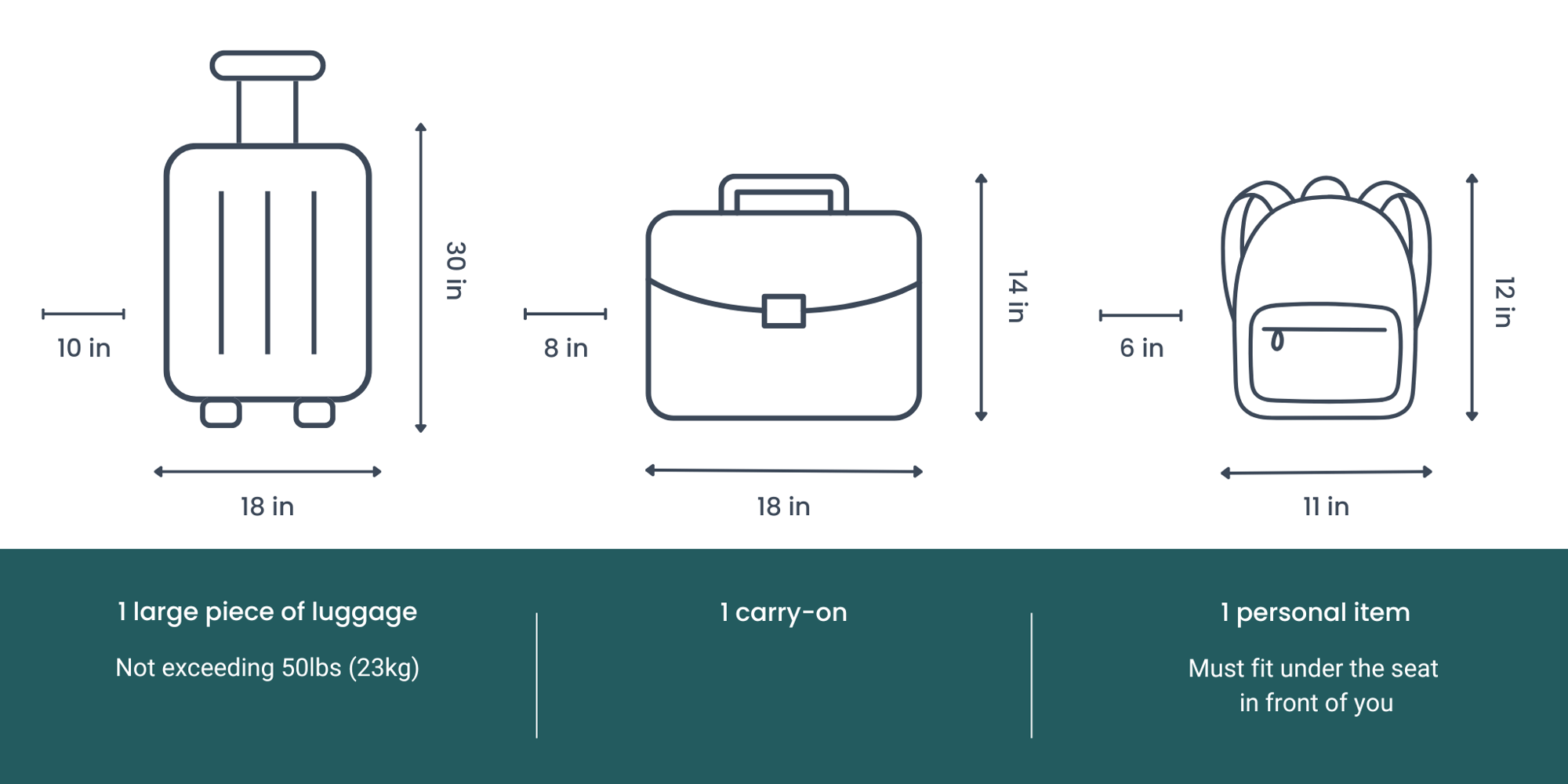
- Pack light! Limited weight allowance on flights to Galápagos (usually 20kg/44lbs).
- Bring a reusable shopping bag to reduce plastic waste on the islands.
- Laundry services are available on the main islands, but can be expensive.
- Bring an extra swimsuit so one can dry while you wear the other.
- Mask, snorkel, fins, and life jackets are included. Wetsuits are not included but can be rented locally for $40-60/week.
- Running shoes are sufficient for hikes, but trails may be muddy in the rain; however, no special hiking boots are required.
- The Galapagos Islands are remote—roughly 600 miles (965 km) from mainland Ecuador. Supplies are limited, so if there’s something you rely on regularly, it’s best to bring it with you rather than assume it will be available locally.
Top Islands & Experiences
Discover the incredible places you'll visit during your Galápagos adventure
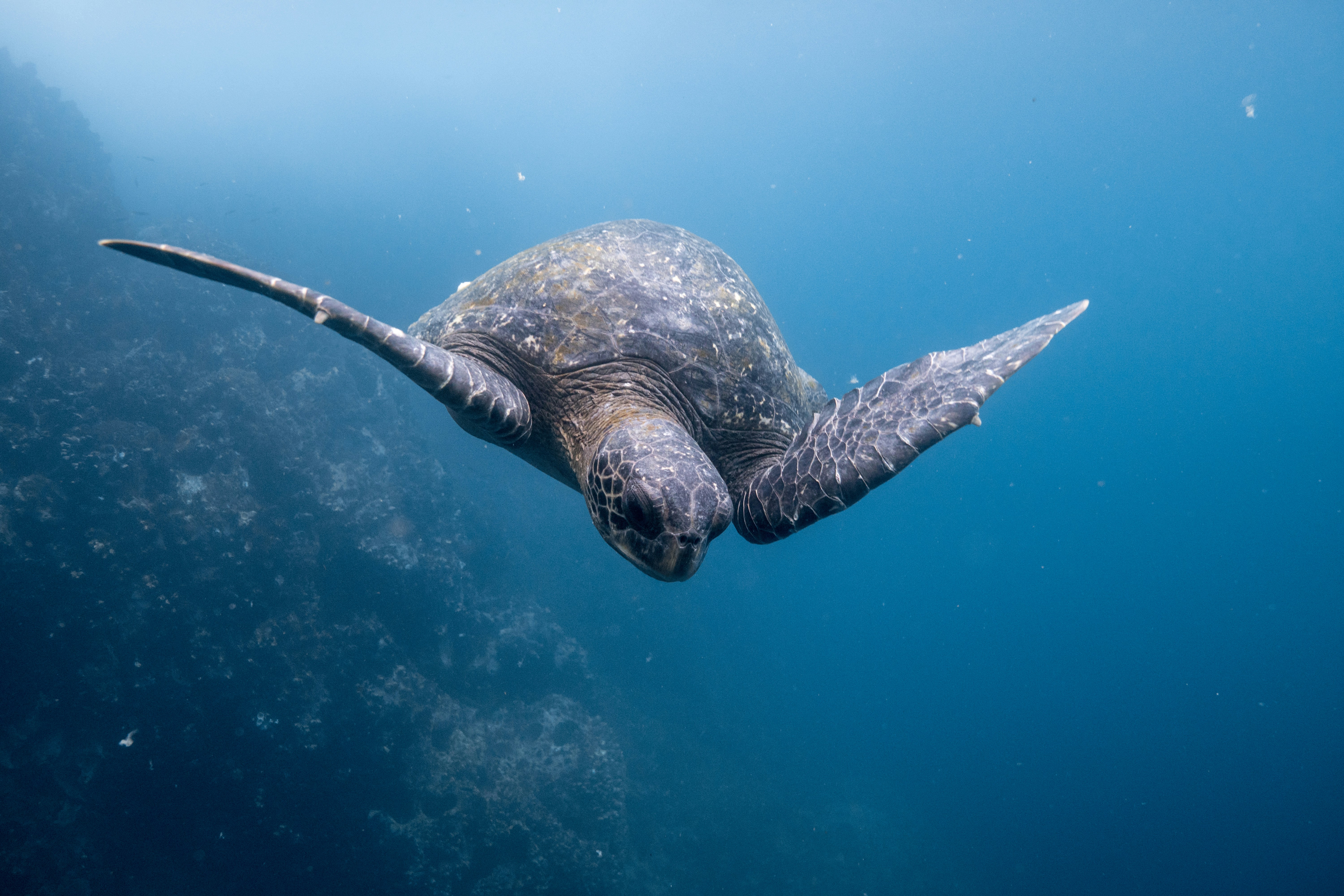
Santa Cruz Island
The most populated island and a central hub for Galápagos exploration, with stunning wildlife encounters.
Must-See Attractions:
- Charles Darwin Research Station – Learn about conservation efforts and see giant tortoises.
- Tortuga Bay – Pristine white sand beach with marine iguanas and clear waters.
- Las Grietas – Natural rock formation with crystal clear water for swimming.
- Highlands – See giant tortoises in their natural habitat.
Isabela Island
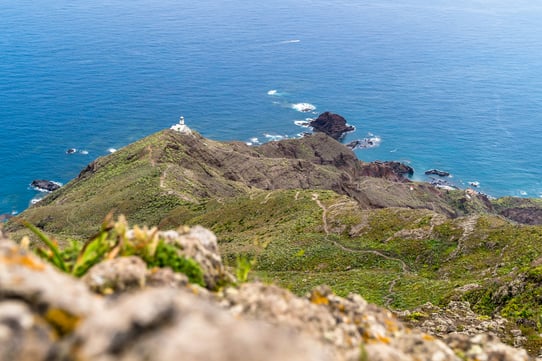
The largest island in the archipelago with stunning volcanic landscapes and unique wildlife.
Island Highlights:
- Sierra Negra Volcano – Hike to one of the largest volcanic craters in the world.
- Tintoreras – Spot white-tipped reef sharks, penguins, and marine iguanas.
- Wall of Tears – Historic site with a somber past.
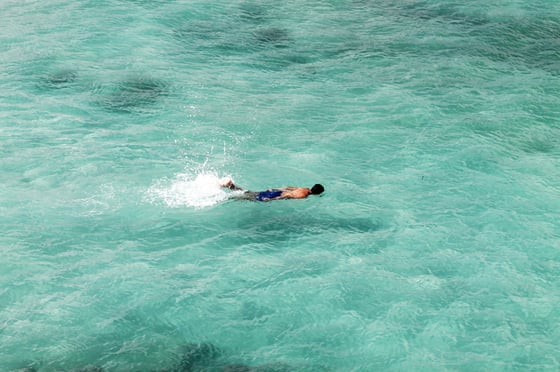
- Concha de Perla – Perfect shallow bay for snorkeling with sea turtles and rays.
San Cristobal Island
Known for its large sea lion colonies and fantastic snorkeling opportunities.
Experience Highlights:
- Kicker Rock – World-class snorkeling site with sharks, turtles, and rays.
- La Loberia – Beach with playful sea lions and marine iguanas.
- Interpretation Center – Learn about human history and conservation.
- Punta Pitt – The Only site where all three booby species nest together.
Local Cuisine
The Galápagos cuisine features fresh seafood with Ecuadorian influences. Here are some dishes you shouldn't miss:
Langostino Encocado
Lobster in coconut sauce with rice and plantains.
Ceviche
Fresh seafood "cooked" in lime juice with onions and cilantro.
Locro de Papa
Ecuadorian potato and cheese soup with avocado.
Patacones
Twice-fried green plantains, served as a side dish.
Arroz Marinero
Seafood rice with a mix of local catch.
Colada Morada
Traditional fruit beverage made with berries and spices.
Conservation & Responsible Travel
Tips for minimizing your impact on this unique and fragile ecosystem
Galápagos Regulations
- Stay on Marked Trails: Never wander off designated visitor sites.
- Wildlife Distance: Maintain at least 2 meters (6 feet) from all wildlife.
- No Touching: Never touch, feed, or chase animals.
- No Flash Photography: It disturbs wildlife.
- No Removal: Taking shells, rocks, sand, or any natural items is strictly prohibited.
- No Food: Don't bring food to visitor sites (except water).
- Strict Rules: Violations may result in fines or removal from the trip without refund.
- More Information: Visit Galapagos.org for Park Rules for complete guidelines.
- Organic Materials: The Galápagos has strict biosecurity rules — avoid bringing fresh fruits, seeds, or other organic materials onto the islands.
Sustainable Practices
- Reduce Plastic: Bring a reusable water bottle, food containers, and a shopping bag.
- Reef-Safe Sunscreen: Only use sunscreen without oxybenzone and octinoxate.
- Water Conservation: The islands have limited fresh water. Take short showers.
- Support Local: Choose locally-owned restaurants and shops when possible.
- Pack Out Trash: Never leave garbage behind, even organic waste.
⚠️ Important Conservation Note
The Galápagos Islands are a UNESCO World Heritage site and one of the world's most protected areas. All visitors must be accompanied by a certified Naturalist Guide when visiting the Galápagos National Park areas (which is 97% of the archipelago).
Additional Travel Tips
- Island Hopping: Book ferries between islands in advance.
- Motion Sickness: Seas can be choppy, particularly from July to December. Bring medication or natural remedies if you’re prone to seasickness.
- Photography: Bring extra memory cards and batteries.
- Language: Learn some basic Spanish phrases.
- Snorkeling: Consider bringing your own mask for the best fit.
- Footwear: Bring closed-toe shoes for volcanic terrain.
- Reservations: Book guided tours and restaurants in advance.
- Water: Never drink tap water, only bottled or purified. Avoid drinks with ice and make sure to peel fruit before eating it.
- Accommodation Disclaimer: Don't forget the Galápagos is a remote island and the accommodations might be a little rustic - that is all part of the experience.
- Sun Protection: The sun is extremely intense on the equator. Use SPF 45+ waterproof sunscreen, and remember to apply it everywhere—including the tops of your feet. Severe sunburn can quickly ruin a trip; reapply often and stay hydrated.
- Altitude Awareness: If you experience severe headaches or breathing difficulty at altitude, seek medical attention immediately.
- Flights: Need help searching for a flight? We recommend Skyscanner.com to compare different routes and rates. Click here to search!
Luggage Restrictions