Dolomites: Trip Preparation & Destination Information

About the Dolomites

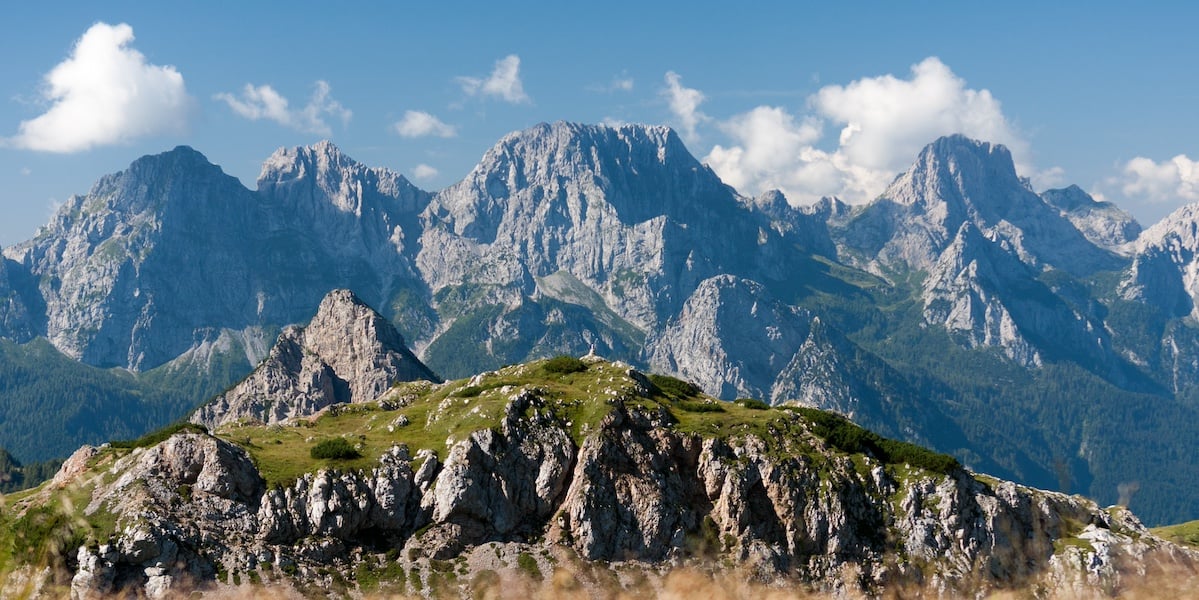
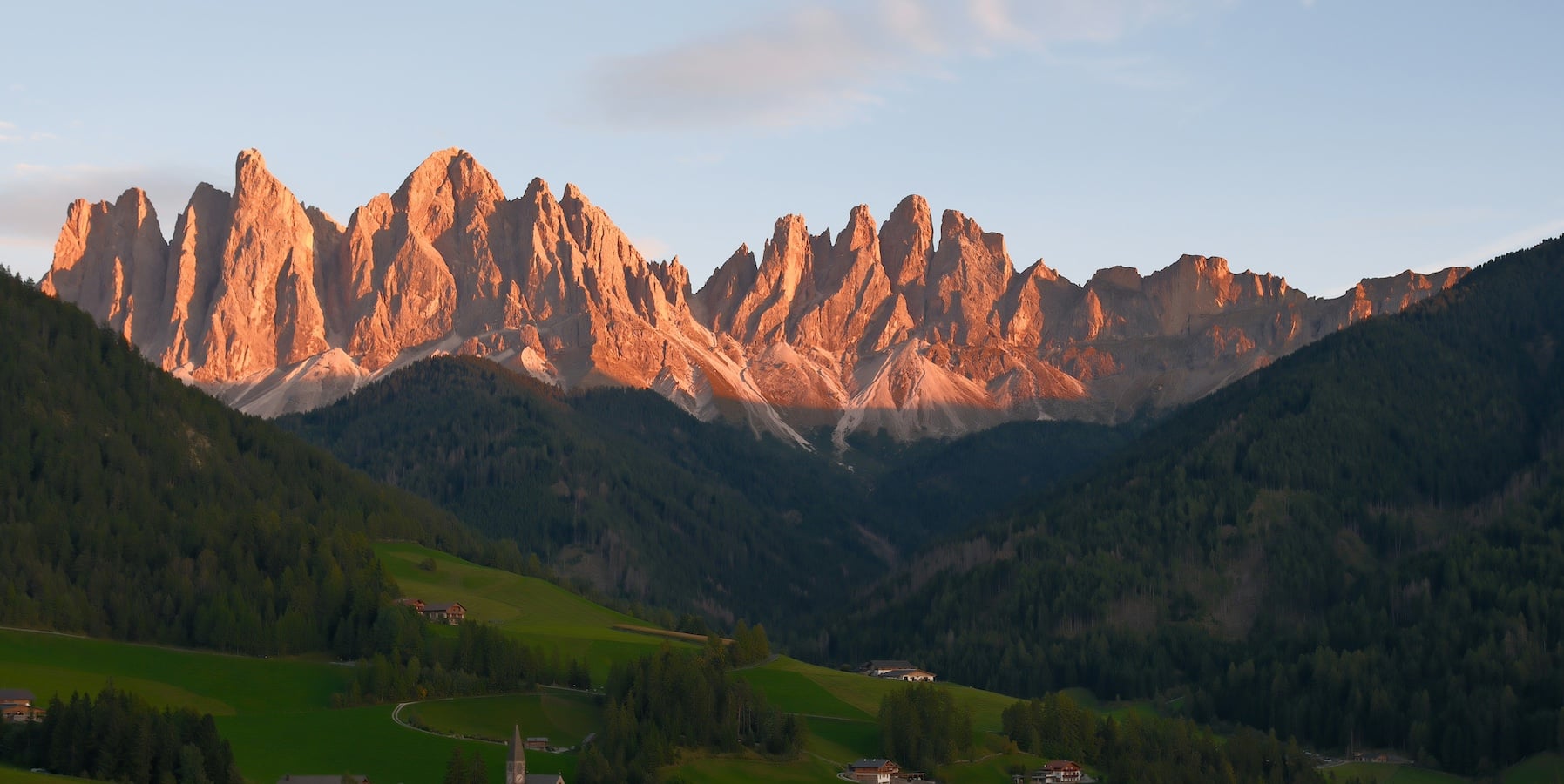
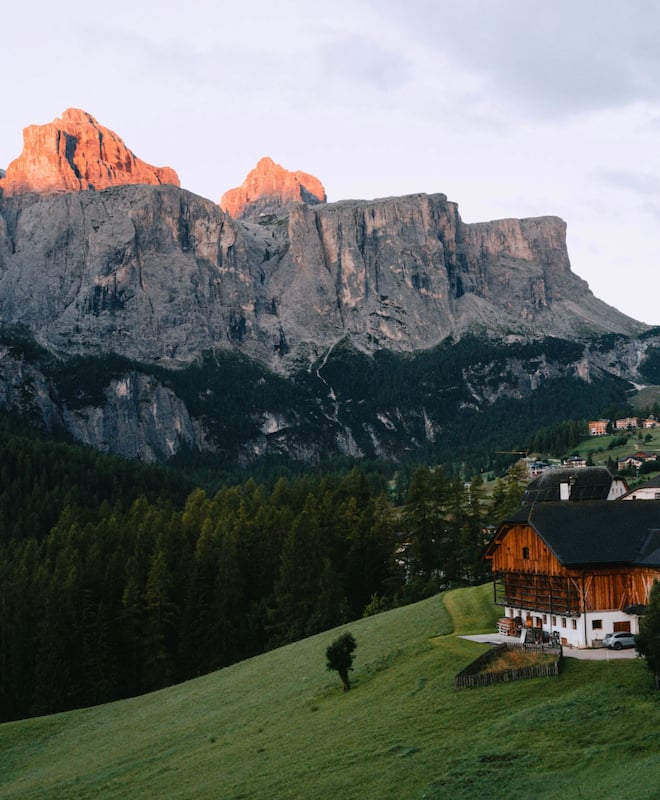
The Friulian Dolomites are a breathtaking mountain escape, where dramatic peaks, peaceful alpine lakes, charming villages, and rich local traditions come together to create an unforgettable experience. From scenic trails through alpine meadows and towering mountains to cozy mountain huts and authentic local cuisine, every day offers a new way to experience the beauty and culture of this lesser-known corner of the Italian Alps.

Overview

Discover the Friulian Dolomites on a journey through one of Italy’s most spectacular and lesser-known mountain regions. Hike through alpine meadows, peaceful valleys, and dramatic limestone peaks while exploring charming mountain villages like Pesariis and Sappada. Along the way, experience the region’s rich mountain traditions, local cuisine, crystal-clear lakes, and welcoming mountain huts, surrounded by some of the most striking landscapes in the Italian Alps.


Area: Approximately 141,903 hectares (350,690 acres) across the Dolomites region

Elevation: Up to 2,703 m (8,868 ft) in the Friulian Dolomites

Time Zone: Central European Time (CET), UTC +1; Central European Summer Time (CEST), UTC +2

Emergency Number: 112 (European emergency number for police, fire, and medical emergencies)

Fitness Requirements: This trip involves moderate-to-challenging hikes. Travelers should be comfortable hiking 7–8 hours a day and/or distances up to 10 miles, with elevation gains of up to 800 m (2,625 ft). Good fitness and hiking experience are recommended.

Summer: Hot temperatures are possible, so bring sun protection and stay hydrated.

Shoulder Season: Weather can be unpredictable, with snow possible at higher elevations. Pack warm, waterproof layers.
 

trovatrip_group-trips-to-the-dolomites_what-to-pack
Dolomites group hiking trips!

Packing List

Language

Italian is the primary language spoken throughout the Friulian Dolomites, while the region also has strong Friulian and German-speaking communities.

  • Italian (official)
  • Friulian (regional language)
  • German (spoken in some areas of the broader Dolomites)
Trovatrip Dolomites packing list.

Weather

PESARIIS WEATHER


Fun Facts

  • You might spot marmots on the trail. The Friulian Dolomites are home to wildlife including marmots, chamois, deer, and capercaillie.
  • You’ll cross between Italian mountain cultures. This area sits at the crossroads of Friulian, Carnic, and Germanic cultural traditions, which is reflected in its languages, architecture, food, and local customs.
  • The Friulian Dolomites are especially wild. The region is considered one of the more unspoiled areas of the greater Dolomite mountain range, with valleys where roads and villages are scarce.
  • Pesariis literally has clocks built into the streets. The village’s famous clock collection includes sundials, water clocks, and elaborate mechanical timepieces scattered throughout the town.
  • The mountains were once underwater. Much of the Dolomites' limestone formed from ancient coral reefs and marine organisms in a tropical sea roughly 250 million years ago.
  • Mountain huts have their own culture. A rifugio isn't just somewhere to sleep. It's a social gathering place where hikers share meals, stories, and trail experiences.
  • You’ll cross between Italian mountain cultures. This area sits at the crossroads of Friulian, Carnic, and Germanic cultural traditions, which is reflected in its languages, architecture, food, and local customs. 
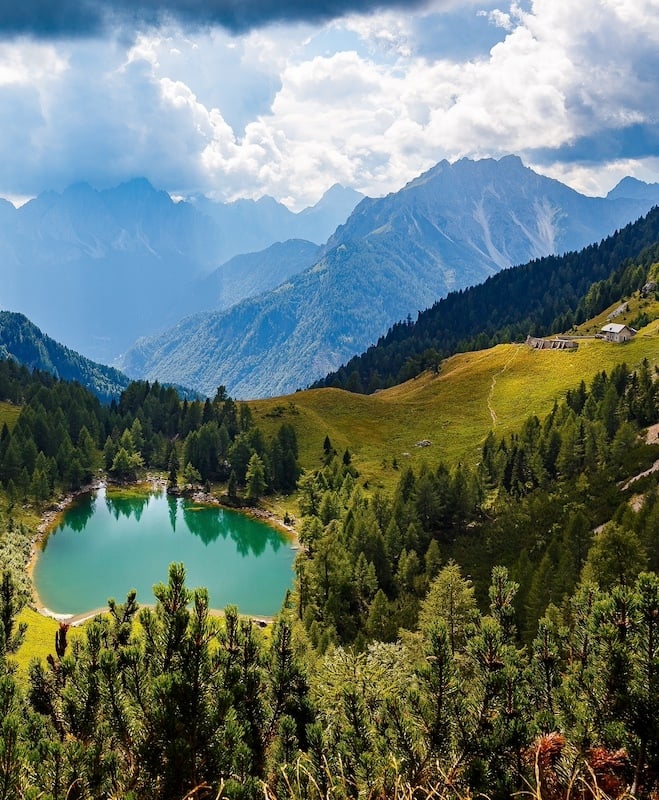
  • The Olbe Lakes were shaped by glaciers. The three alpine lakes near Sappada sit in ancient hollows created during the last ice age.
  • The Dolomites used to be tropical. Around 250 million years ago, these mountains were part of a warm, shallow tropical sea surrounded by coral reefs.
  • Some peaks are actually fossilized reefs. Several of the massive Dolomite formations began as underwater reef systems before being lifted thousands of meters above sea level.

Tipping

Tipping Suggestions: A service charge is typically included in the bill, so there is generally no need to tip. For good service at a proper restaurant, you can round up the bill by a few euros if a service charge has not already been included.

FAQ

How difficult is this trip?
This is a challenging, multi-day hiking itinerary designed for Travelers who are comfortable spending 7–8 hours on the trail each day, with hikes of up to 10 miles per day. Expect steep, uneven mountain terrain, elevation changes, and long days of hiking. A good level of fitness, stamina, and previous hiking experience are strongly recommended.

What should I pack for the trip?
Pack light and bring comfortable, broken-in hiking boots, moisture-wicking layers, hiking pants, rain gear, warm layers, and a small daypack. Hiking poles, sunscreen, a reusable water bottle, a headlamp, and blister protection are also recommended. A sleeping bag liner, travel towel, and shower sandals are useful for the shared mountain hut stays.

What are the mountain huts like?
Mountain huts, or rifugi, are simple accommodations located along the hiking routes. Rooms are shared and may accommodate 2–4 people or, at some huts, up to 14 people in dorm-style rooms. Bathrooms are shared, rooms are mixed gender, and bedding arrangements are not guaranteed. A sleeping bag liner and earplugs are recommended for added comfort.

Will I need to carry all of my luggage?
You should be prepared to carry your personal belongings during the hiking portion of the trip. Pack as lightly as possible and prioritize versatile clothing and essential hiking gear. A small backpack is recommended for the mountain hut portion of the itinerary.

What will the weather be like?
Mountain weather can change quickly in the Dolomites. Expect potentially warm temperatures during the day, cooler conditions at higher elevations, and the possibility of rain. Layers, a waterproof jacket, sun protection, and warm clothing are essential.

Do you recommend travel insurance?
While not required, we highly recommend all Travelers purchase travel insurance before their trip to help protect against unexpected situations. You can explore our travel insurance option through the Traveler Portal.

Do I need a visa to visit Italy?
U.S. citizens can travel to Italy and other Schengen Area countries for tourism for up to 90 days within a 180-day period without a visa. Travelers from other countries should check Italy's entry requirements before departure.

How do I get to and from the trip?
TrovaTrip will provide two transfers from Venice Marco Polo Airport (VCE) on the first day and two transfers back to the airport on the final day. To use the arrival transfer, plan to arrive before 3 PM on the first day. For the return transfer, book your departing flight for 2 PM or later on the final day.

What kind of fitness level do I need?
You should be comfortable hiking for multiple consecutive days on mountainous terrain. The itinerary includes sustained climbs and descents, uneven trails, and significant elevation changes. Regular hiking or endurance training before the trip is recommended.

What is included with the trip?
The trip includes 7 breakfasts, 6 lunches, and 7 dinners, along with accommodations in B&Bs and shared mountain huts. Airport transfers to and from Venice Marco Polo Airport are also included during the designated transfer windows.

Are single rooms available?
Single supplements are available only for the first and last nights of the trip, in Pesariis and Sappada. Mountain hut accommodations are shared and do not offer guaranteed private rooms.


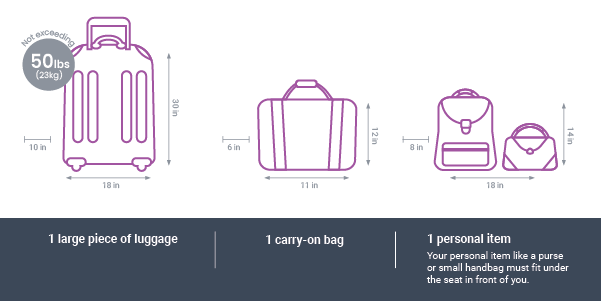
Luggage Restrictions

ellainwonderland-iceland-3
Luggage Restrictions purple (2)

Book With Confidence